“coffee quality grading” search results (7000)
![[literacy] have you made a clear distinction between the coffee bean grading criteria? (below)](https://www.coffeesearch.net/uploads/151014/3-151014134400423.jpg)
[literacy] have you made a clear distinction between the coffee bean grading criteria? (below)
There are different ways to manage the origin of coffee beans, some are composed of large and small farmers, some are dominated by professional business owners, even if the coffee in the same place, its quality and flavor are also different, in order to mark the quality of coffee, but also in order to make the transaction more convenient, so there is coffee grading. Highly classified by origin: Guatemala, brother
2015-10-14 Literacy coffee beans grading standards distinction
Introduction to the quality grades of Ugandan Coffee in the Western Ruwensori Mountains
The quality grade of Ugandan coffee: Bujisu Bugisu AA (only 4% of the country's total production) Bujisu Bugisu A Vago Wugar A (all above belong to washing treatment) and a small amount of sun-dried bean beads Drugar Bugisu Bugisu AA where AA indicates the grade of coffee, representing the highest grade in the country. Bugisu Bugisu grew up in Mt.Elg, eastern Uganda.
2016-06-20 Uganda Coffee quality Grade introduction West Wenzori Ruwenso
Introduction of Ethiopian Coffee Grade Analysis of Ethiopian Coffee beans
Ethiopian coffee beans are divided into five levels. The first and second stages are washed beans. Washed beans Grade1 represents 3 defective beans per 300g raw beans, and Grade2 represents 4 defective beans per 300g. Gradc1 grade water washed beans are very rare and are generally difficult to buy. At present, all the washed beans exported from Ethiopia are Grade2 grade. The quality of sun-dried beans is Grade3 and Grad in order.
2016-04-30 Ethiopia coffee introduction coffee beans grade analysis
A brief introduction to the grading system of coffee beans in Ethiopia
The evaluation criteria of Egyptian beans were developed with the assistance of the American Fine Coffee Association (SCAA). (why can't Egypt, as the home country of coffee, formulate it independently? Yeah! Think about it)-Egypt fully implemented a central auction system in 2008 (used to be purchased by exporters)-briefly talk about some pre-auction processes. 1) Farmers pick fresh coffee fruit; 2) Farmers take fresh coffee
2014-08-22 Coffee knowledge Ethiopian coffee beans coffee bean rating system
Distinguishing coffee beans and the grading of coffee beans teaches you how to distinguish coffee beans.
● distinguishes the key names and specifications of coffee beans the name of the port of export of ● can tell the shipping route from the name of the port of exit marked. Coffee from the same origin or the same brand has a certain route, so it is also exported from the same port. For example, if it is marked "Brazil." "Santos" means that this is coffee exported from Santos, with the exception of those marked "mocha".
2016-01-11 Distinguish coffee beans and grading teach you to master how essentials distinguish coffee
Introduction of boutique coffee beans in Wiki Valley, a coffee-producing region of Papua New Guinea
The frost in 1975 destroyed most of Brazil's coffee crops, but it boosted the industry. * * A scheme has been implemented to subsidize rural or collective landowners to create about 20 hectares of coffee plantations. This measure has indeed increased the penetration of coffee in the local economy, and by 1990, the annual output had reached 1 million bags. However, it is almost inevitable that production will soar.
2016-06-17 Papua New Guinea coffee producing areas wikis valleys introductions boutiques coffee beans
Introduction to the grading of Ethiopian Coffee
Sun-cured coffee accounts for 65% of exports. Mainly picked by families, red coffee beans are placed on cement floors or on high tables to dry to about 11.5% humidity, then peeled and cleaned. Coffee grading and quality control system in Ethiopia, coffee grading and quality control system is divided into three levels: producer, regional and national. All coffee is required before leaving the country of origin.
2016-06-12 Ethiopia coffee grading category introduction
General knowledge of Fine Coffee beans appearance and grading of Ethiopian Coffee
The grading we are talking about now refers to the grading of raw beans in the country where coffee is produced. (no matter which country coffee beans are not graded) Ethiopian coffee beans are divided into five grades. The first and second stages are reserved for washing beans with water. Grade 1 represents 0-3 raw beans and Grade 2 represents 4-12 missing beans per 300g raw beans. Grade 1 (G1) grade water washed bean pole
2015-01-26 Boutique coffee beans common sense Ethiopia coffee Xiangyu grading we now
There are two ways to grade green coffee beans.
There are two ways to grade coffee beans, one is to filter the number of points, one is to elevation points. The size of the round beans is generally smaller than the flat beans, the round beans are between 8-13, and the flat beans are between 12-29. 8,9,10... 12,13... 18... 29= ,,......, Extra large. The bigger the number, the bigger the bean. SC-19, for example, is bean number 19.
2015-11-03 coffee green beans grading method two
Introduction of raw bean grade of Ethiopian coffee boutique coffee
Although the Ethiopian Yirgacheffe coffee is petite, it is gentle and delicate and sweet. As the hometown of coffee, thousands of years of planting history and processing tradition in Ethiopia have created high-quality washed Arabica beans. Light baking has unique sweet aromas of lemon, flowers and honey, soft acidity and citrus flavors, fresh and bright on the palate. No.
2015-12-14 Ethiopia coffee boutique raw beans grades introduction Yega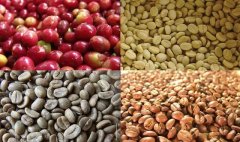
How are Ethiopian coffee beans graded?
The grading we are talking about now refers to the grading of raw beans in the country where coffee is produced. (no matter which country coffee beans are not graded) Ethiopian coffee beans are divided into five grades. The first and second stages are reserved for washing beans with water. Grade 1 represents 0-3 raw beans and Grade 2 represents 4-12 missing beans per 300g raw beans. Grade 1 (G1) grade water washed bean pole
2015-10-26 Ethiopia coffee grading coffee beans how we now discuss
The central and eastern mountains of the Colombian coffee producing area
The main production areas of Colombia are in the central and eastern mountains. This also reflects the excellent quality of the country from one aspect. Coffee is classified as top grade (Suprem, moderate granule and excellent fruit). Colombian coffee is often described as having the highest quality coffee in Medellin, with a top grade (Supremo). These three areas are true to heart.
2016-05-24 Colombia coffee production areas central mountains east major raw
The production method of washing Yega Xuefei Ethiopian coffee beans to treat coffee beans
Ethiopian coffee beans are divided into five levels. The first and second stages are washed beans. Washed beans Grade1 represents 3 defective beans per 300g raw beans, and Grade2 represents 4 defective beans per 300g. Gradc1 grade water washed beans are very rare and are generally difficult to buy. At present, all the washed beans exported from Ethiopia are Grade2 grade. The quality of sun-dried beans is Grade3 and Grad in order.
2016-05-10 Ethiopia Water washing Yega Sheffield Coffee beans production method treatment
How to distinguish the quality of coffee beans
1. Coffee varieties (high-quality Arabica species) are used in professional cafes for fresh grinding and baking, but (Robasta) because of their bitter taste, most of them are used in instant coffee powder production, mixed coffee bean blending and other fields. 2, planting techniques, understanding (various suitable budding methods of coffee beans; matters needing attention in transplanting; growing pruning, loosening soil, organic fertilization, etc.) 3, climate,
2016-06-01 How to identify coffee beans quality
Reference Index of Coffee Bean grading Coffee Bean selection Kit
In fact, at present, there is no unified classification in the coffee industry, and each country of production is divided into different levels. For example, Brazil sets NO.2 as the highest level and Jamaica sets NO.1 as the highest level. For individuals, because people's preferences and taste are different, grading can not fully show the flavor of coffee, it is more about the quality of coffee, so the grade of coffee is not very good to me.
2015-01-23 Coffee beans grading reference indicators shopping brocade in fact at present coffee
Basic knowledge of coffee bean appearance and grading of Ethiopian coffee
The grading we are talking about now refers to the grading of raw beans in the country where coffee is produced. (no matter which country coffee beans are not graded) Ethiopian coffee beans are divided into five grades. The first and second stages are reserved for washing beans with water. Grade 1 represents 0-3 raw beans and Grade 2 represents 4-12 missing beans per 300g raw beans. Grade 1 (G1) grade water washed bean pole
2015-04-13 Coffee basics common sense Ethiopia harmony grading we now discuss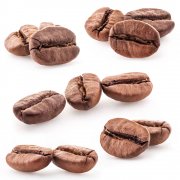
Grading according to the proportion of sieve and defective beans
Grading defective beans according to the ratio of sieve and defective beans is an important factor in destroying the flavor of the final coffee. Therefore, defective beans should also be removed in the final step of green bean processing. Therefore, according to the proportion of defective beans, supplemented by screen size is also used as a classification method. Due to the rise of the fine coffee trend, coffee producing countries are paying more and more attention to the quality of coffee. Controlling defective beans is the most important way.
2016-05-10 sieve flaw proportion classification destruction finally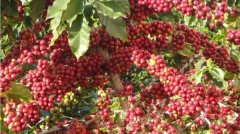
Boutique Coffee Science explains in detail the grades and grades of coffee beans
National place name: indicates the area where coffee is produced. For example, Ethiopia. Harald shows that the product is produced in Harald, Ethiopia. It should be noted here that the name of the country is the same, but when the region and year are different, the quality of coffee is different, and the taste of coffee is not guaranteed to be consistent. Port of export: indicates the port of export of coffee. Coffee of the same origin and brand in the same place.
2015-03-09 Boutique coffee detailed explanation coffee beans grades brands famous products place names indicating that coffee
Ethiopia, the largest producer of coffee in Africa.
Coffee grading and quality control system in Ethiopia, coffee grading and quality control system is divided into three levels: producer, regional and national. All coffee is inspected by local inspection agencies before leaving the country of origin, and then re-tested at the coffee inspection and grading centers in Addis and Diredawa to determine its quality grade. Coffee is graded before auction and sale
2016-06-16 Africa largest producer Ethiopia coffee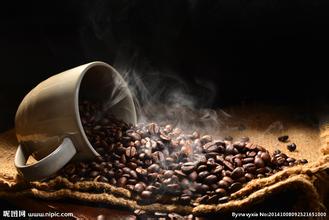
Grade analysis of Ethiopian coffee beans how to choose siphon coffee maker
Ethiopian coffee has the highest citrus aroma in the world. Whether instant coffee or freshly ground coffee, the aroma of orange or lemon can be smelled during extraction. The nose is characterized by strong floral, fruity, sour and sweet aromas, but the alcohol is slightly thicker or less dense. The biggest disadvantage is that it is easy to bake unevenly, especially sun-dried beans. Even the best Grade3 Harald sun-dried beans
2016-06-05 Ethiopia coffee beans grades analysis siphon coffee pot what Essiobi